Kit comes fourth: how to actually prepare for an Australian emergency
We sell survival kits. So it might sound strange that the first thing we tell people is that a kit is not where preparing starts.
After years of reading Royal Commission reports into Australian disasters, the same lesson keeps coming up. The people who come through well are rarely the ones with the most gear. They are the ones who knew their risk, decided what they would do before the day came, and knew the people around them. Kit helps them carry out a decision they had already made.
So here is the order we work in.
1. Know your local hazard
Bushfire, flood, cyclone, heatwave and long power outages are very different problems. A plan built for one can be wrong for another. Start by finding out which ones your street actually faces. Your council's flood maps, your state fire service's bushfire risk tools and the history of your area will tell you more than any shopping list.
Our free My Area tool pulls together live weather, air quality and hazard information for where you live.
2. Make your decisions in advance
The 2009 Victorian Bushfires Royal Commission found that 113 of the 173 people who died were inside houses. Leaving early was the safest choice, and too often that decision was being made far too late, in smoke and confusion.
Decide now, while it is calm: what will make you leave, where you will go, and who you will call. Write it down and put it on the fridge. A written trigger ("we leave when the fire danger rating is Catastrophic") is much easier to act on than a decision made in the moment.
The free Emergency Plan Builder walks you through it in five steps and prints a one-page plan.
3. Know your neighbours
The 2020 Royal Commission into National Natural Disaster Arrangements, and the research since, keeps finding the same thing: community ties save lives. The neighbour who checks on the elderly couple next door, the street group chat that passes on a warning, the person with a ute who can move a family. Learn who on your street might need help, and who could help you.
4. Then, the kit
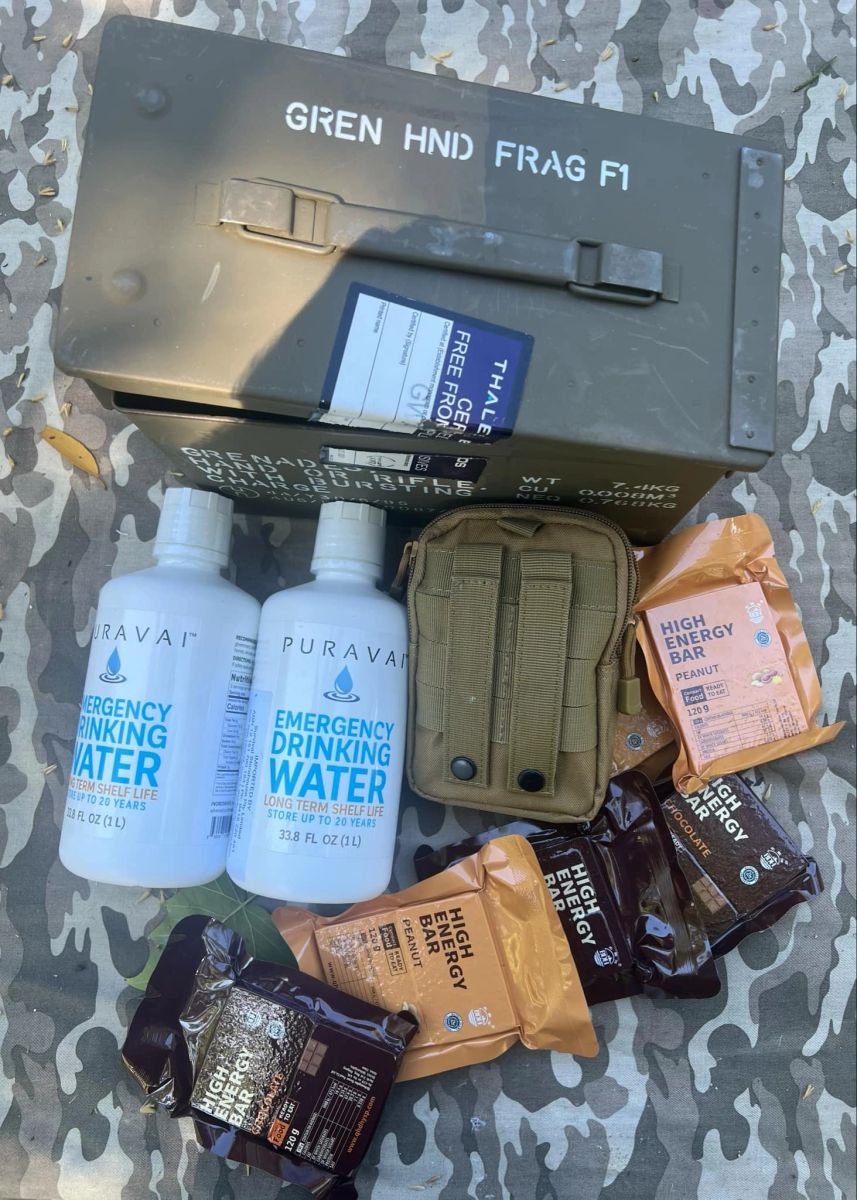
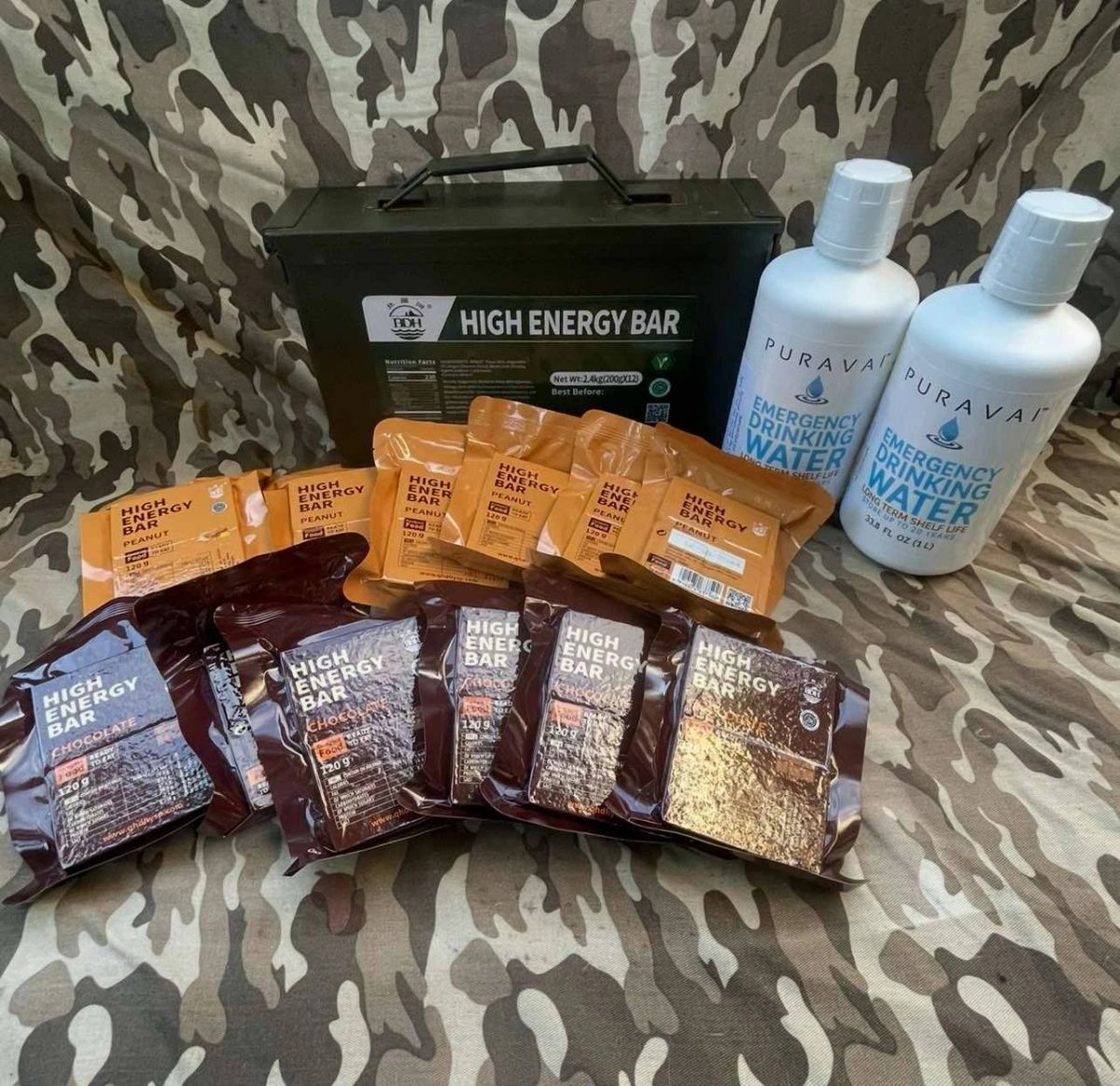
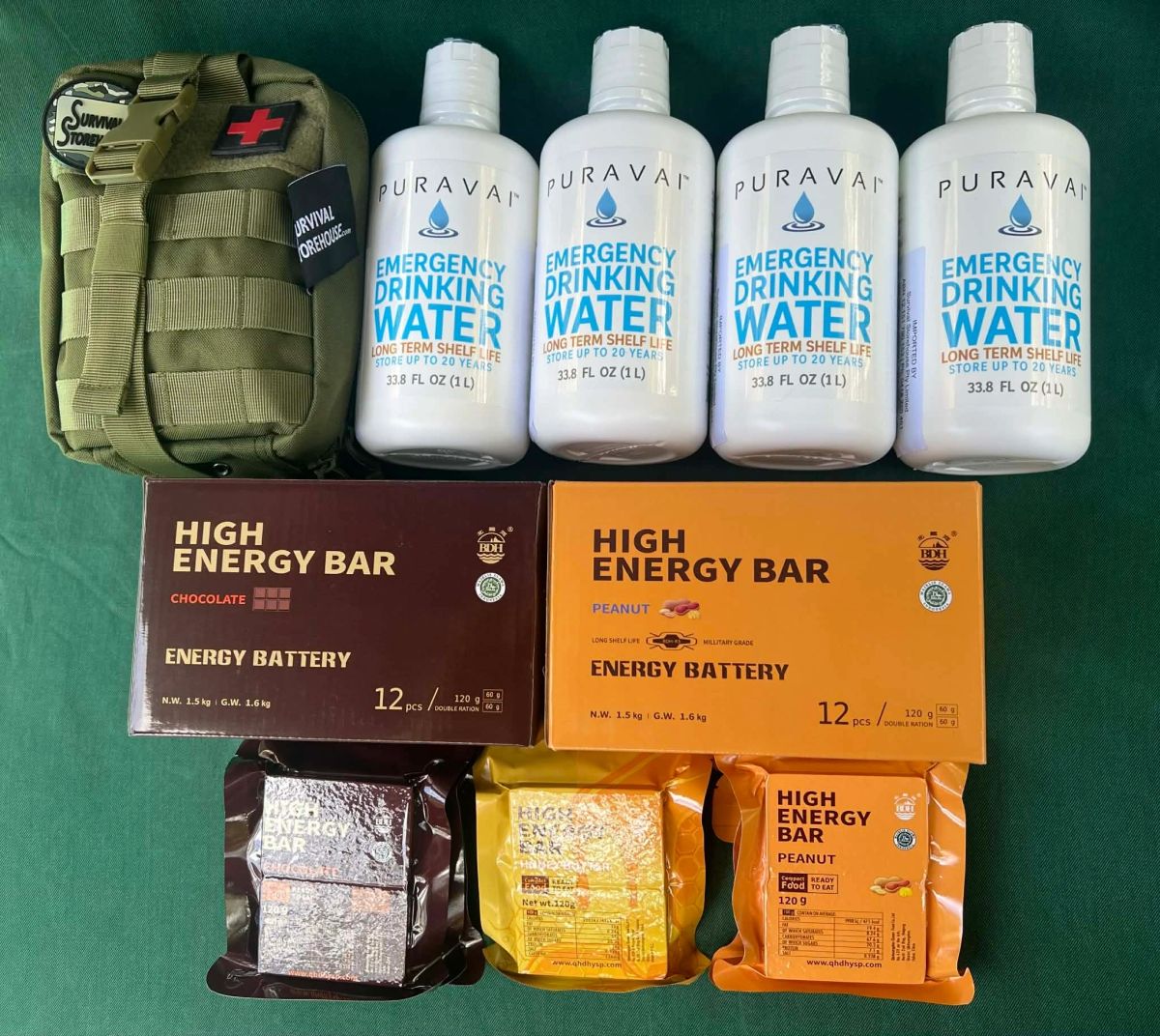
Once you know your hazard and your plan, a kit makes sense. It covers the gap between the moment things go wrong and the moment help, power or shops come back. That usually means water, food that will not spoil, first aid, light, a radio and copies of your important documents, sized to get your household through at least 72 hours.
That is where we come in. Our Ready Kit covers a household for 72 hours, and our high-energy biscuits last until 2045, so they can sit in the cupboard for years and still be good on the day you need them.
But if you only do one thing this week, make it step 2. Sit down with your household for twenty minutes and decide what you will do. It costs nothing, and it is the step that matters most.